


Shop Ammunition for Sale Online – Buy Bulk Ammo at Cheap Prices
Ammunition for sale gives you the dependable, ready-to-use rounds you need for target practice, home defense, or hunting, so you can focus on your shot instead of worrying about supply. Each cartridge pairs a primer, propellant, and projectile in one self-contained unit, letting your firearm cycle and fire consistently with every pull of the trigger. Choosing the right caliber and bullet type from available stock ensures your weapon functions smoothly and delivers the performance you expect, whether you’re zeroing a scope or protecting what matters.
What to Look for When Buying Cartridges Online or In-Store
When buying ammunition for sale, first verify the cartridge’s **headstamp** and caliber markings on the box, ensuring they match your firearm’s chamber exactly—never assume based on visual similarity. Inspect the physical rounds for dents, corrosion, or loose bullets; pass on any with scratched primers, as these indicate poor handling or potential misfire risk. Online, scrutinize the seller’s photos for lot numbers and manufacturing date, and prioritize reputable brands over generic reloads. In-store, shake the box to confirm the rounds aren’t rattling loosely, which signals improper crimping. Check the bullet’s seating depth and case mouth for uniform crimp, as inconsistent rounds can cause feeding failures. *Always compare the price per round against the grain weight and velocity data, since a cheap deal often hides weaker performance.* Finally, confirm the packaging is sealed and unopened, protecting against moisture damage that compromises powder integrity.
Understanding Caliber, Grain Weight, and Bullet Type in Simple Terms
Caliber refers to the bullet’s diameter, like 9mm or .45 ACP, and must match your firearm’s barrel exactly. Grain weight measures the bullet’s mass (e.g., 115 vs. 147 grains); lighter grains move faster with less recoil, while heavier grains penetrate deeper and resist wind drift. Bullet type dictates performance: full metal jacket (FMJ) is cheap for practice, hollow points expand on impact for self-defense, and soft points suit hunting. For buying ammunition online, always cross-check the box’s caliber, grain, and type against your gun’s manual. Ballistic tip bullets offer long-range accuracy but cost more.
Q: How do I choose grain weight for my first purchase?
A: Match the grain weight recommended on your firearm’s barrel or manual—using a different weight changes point of impact and may reduce reliability.
How to Match the Right Round to Your Specific Firearm Model
Before you buy, check the caliber marking stamped on the barrel or slide—never guess from the model name alone. Your firearm’s manual also lists the exact cartridge, including any +P or grain-weight limits. For 5.7x28mm Ammo for Sale rifles, confirm the twist rate; it dictates which bullet weights stabilize best. For pistols, test a few defensive rounds to ensure reliable feeding and ejection. Matching the right round to your specific firearm model means verifying case length and pressure ratings, especially for older or rare guns. When in doubt, grab a factory spec sheet or ask a knowledgeable counter person—they’ve seen mismatches ruin a range day.
- Cross-reference the barrel stamp with the ammo box’s caliber ID.
- Use the manual’s recommended bullet weight for your barrel twist.
- Always buy one small box to test function before bulk-purchasing.
Key Differences Between Full Metal Jacket, Hollow Point, and Soft Point Loads
When evaluating ammunition for sale, the key differences between full metal jacket, hollow point, and soft point loads dictate terminal performance and range safety. FMJ rounds feature a copper coating over a lead core, ensuring deep penetration without expansion—ideal for target practice and barrier-rich environments. Hollow points expand violently upon impact, transferring energy rapidly and minimizing over-penetration risks, making them a defensive staple. Soft points use an exposed lead tip that mushrooms at moderate velocity, providing controlled expansion for hunting medium game. Choose 7.62×51 Ammo for Sale FMJ for cost-effective training, hollow points for self-defense, and soft points when you need reliable expansion through heavy hide without full jacket pass-through.
How to Judge the Quality of a Box of Rounds Before You Pay
Before handing over cash for ammunition for sale, shake the box and listen for a dull, sand-like rattle—loose powder or primer pellets mean sloppy assembly. Inspect the cartridge heads: deep, centered primer strikes aren’t possible yet, but look for uniform, undamaged rims and no excessive sealant globs. Roll a round on the counter; a bent case or wobbly bullet profile is a hard pass. Check the crimp—a tight, even roll at the case mouth prevents setback. For exposed lead, pinch the nose; if your thumb dents it, the bullet is too soft for reliable feed. Finally, weigh a few rounds on a jewelry scale; wild variance signals inconsistent powder charges, not just QC gaps. That two-minute exam beats a jam-packed range session every time.
Reading the Box Label: Velocity, Pressure, and Primer Types Explained
Before paying, decode the label’s velocity, pressure, and primer type to match your firearm’s limits. Velocity, listed in feet per second, tells you trajectory and recoil—compare it against your barrel length, as shorter tubes lose speed. Pressure, marked as PSI or CUP, reveals how hot the load runs; a high-pressure round in an older or weaker action risks damage, so verify it stays within SAAMI specs. Primer type matters: boxer primers are reloadable and common, while berdan primers are military-surplus and harder to source. A magnum primer on .17 HMR Ammo for Sale a standard charge signals over-ignition, while a lead-free primer may need a stronger striker. Reading these three fields prevents misfeeds, case bulging, or a costly kaboom.
Signs of Fresh, Reliable Factory Loads vs. Suspect or Dented Stock

Fresh, reliable factory loads typically exhibit pristine, uniformly crimped primers seated flush with the case head, while suspect or dented stock often shows deep impact marks or scratches near the rim, indicating rough handling that may compromise seal integrity. Inspect the case mouth for a clean, even taper—dented mouths or bent shoulders suggest dropped boxes, risking bullet setback and pressure spikes. Check the headstamp clarity: crisp, deep stamping signals recent production; worn or smeared lettering hints at tumbled, older inventory. Also, run your thumb across the bullet–case junction—fresh loads sit flush with no wobble, whereas suspect rounds may have a visible gap or loose bullet tension. Factory sealant (red or green lacquer) on primer and case mouth is a strong positive sign, as dented stock often lacks this corrosive-resistance layer. Finally, shake a single round near your ear—a powder rattle in suspect stock means the charge settled or, worse, the case was resized improperly, while fresh loads remain silent and solid.
Q: What single 7.62×39 Ammo for Sale visual clue most reliably separates fresh factory loads from suspect or dented stock?
A: The primer pocket—fresh rounds show a concentric, undamaged primer ring with no burrs or offset seating, whereas dented stock frequently presents an oval or slightly raised primer, a red flag for unsafe headspace and potential misfires.
Why Consistent Bullet Seating and Crimp Matter for Accuracy
Before paying for any box, inspect the cartridge’s consistent bullet seating depth; if the overall length varies between rounds, chamber pressure spikes or drops unpredictably, shifting your point of impact. A uniform seating depth ensures the bullet engages the rifling at the same force each shot, which directly tightens vertical dispersion on target. Likewise, an even crimp—neither too loose nor crushed—holds the bullet under recoil and during feeding, preventing setback that alters case volume and ballistic performance. Use a caliper and check the case mouth for visible wrinkles or uneven roll. If seating or crimp wobbles, expect flyers beyond your normal group size, so reject that box immediately.
Practical Tips for Stocking Up on the Right Quantity for Your Needs
To stock the right quantity, first audit your actual consumption: count rounds fired per range session and multiply by your monthly training frequency. For defensive ammunition, keep a baseline of 500 rounds per caliber you carry—this covers practice, malfunction drills, and rotation without waste. When buying bulk ammunition for sale, resist pallet-sized deals unless you shoot weekly; instead, match your stash to a six-month buffer. Calculate a personal “sweet spot” by doubling your annual usage—this hedges against sporadic shortages while preventing overstock of aging primers.
Rotate your stock by using the oldest boxes first, and always reserve 10% of your quantity for zeroing or unexpected needs.
Finally, store by caliber in labeled, desiccant-packed containers, and verify your ammo can holds that quantity before committing to a purchase.
How Many Rounds Should You Actually Buy for Range Practice vs. Self-Defense?
For range practice, prioritize volume over variety; buying 500–1,000 rounds per caliber per session allows you to build muscle memory without constantly re-ordering, especially when ammunition for sale is available in bulk. For self-defense, focus on reliability and rotation—purchase 100–200 rounds of your carry load, then cycle through 50 rounds quarterly to confirm function and replace aging stock. *A practical rule is to keep a defensive reserve separate from practice stock, so you never dip into specialty sports & supply your protection supply during casual shooting.*
- Range practice: 500–1,000 rounds per range trip to sustain drills.
- Self-defense: 100–200 rounds of your chosen defensive load, tested for reliability.
- Rotate defensive rounds every 3–6 months, shooting the old batch for practice.
- Maintain a minimum 50-round buffer for your carry firearm at all times.
Bulk Packs vs. Box-by-Box Purchases: Which Way Saves You More?
When weighing bulk packs vs. box-by-box purchases, the savings hinge on your actual round count per range trip. A 500-round bulk case typically cuts per-round cost by 15–25% compared to buying twenty separate 25-round boxes, but only if you consistently shoot that volume within a few months. Box-by-box wins for low-frequency shooters because you avoid tying up cash in inventory that might sit in a safe. However, mixing both strategies—bulk for your primary caliber, boxes for backup or testing—maximizes flexibility. Always calculate the price per round on the shelf, not the sticker price, before choosing.
Mixing Brands in Your Magazine: Safe or a Recipe for Misfires?
Mixing brands of ammunition in a single magazine is technically safe, but it introduces variables that can compromise reliability. Different manufacturers use distinct case materials, primer hardness, and bullet profiles, which can alter feeding angles and extraction timing. While a single misfire isn’t dangerous, a follow-up round from another brand may not chamber smoothly, causing a jam precisely when you need a clean cycle. For consistent performance, dedicate each magazine to one brand lot, verifying function with at least ten rounds. This practice, known as 5.56 Ammo for Sale magazine-specific ammunition matching, isolates malfunctions. If you must mix, load identical bullet weights and nose shapes, keeping defensive loads strictly uniform. This approach reduces the risk of cycle-related misfires without eliminating them entirely.
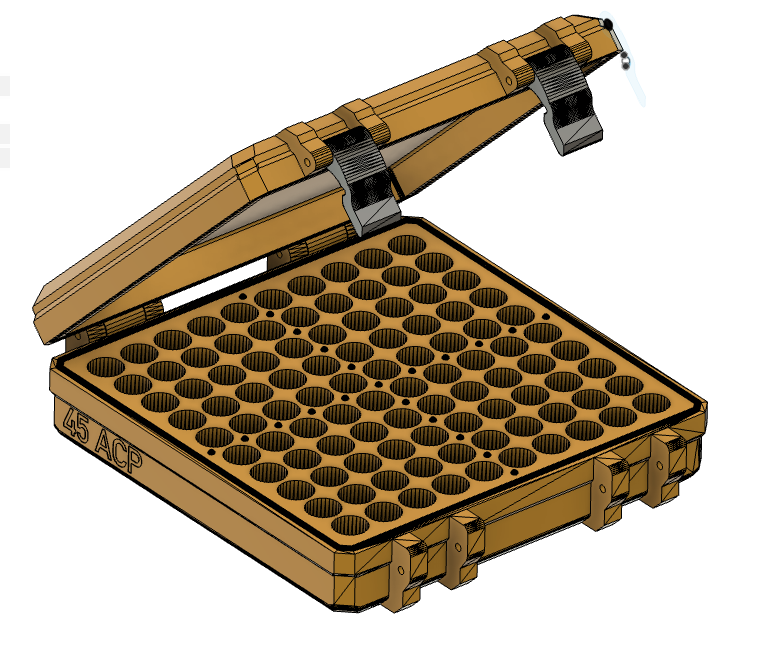
Common Nomenclature and Numbering Used on Packaging
When you grab a box of ammo, the common nomenclature and numbering on the packaging is your cheat sheet for matching the round to your firearm. The label lists the caliber (like .223 Remington or 9mm Luger) which is the internal case diameter, but the number sometimes reflects the bullet diameter, not the case—so 7.62x54R Ammo for Sale a .38 Special actually measures .357 inches. You’ll also see a product number or SKU unique to the manufacturer, plus a lot number stamped on the flap, which tracks the specific production batch for quality control. Don’t gloss over the “grains” figure; it’s the bullet weight, not the powder charge, and it directly affects recoil and trajectory.
Always cross-check the exact caliber marked on the barrel with both the box number and the case headstamp before loading, because similar names can be non-interchangeable.
Finally, the packaging may include a velocity rating (fps) and bullet type (FMJ, HP), which are part of the standard numbering system to help you pick the right round for your purpose.
Decoding Numbers Like 9×19, .45 ACP, and 5.56 NATO Without Confusion
The first number in a cartridge label often denotes bullet diameter, but 9×19 means a 9mm bullet on a 19mm case, while .45 ACP refers to a 0.45-inch bullet—not the case length. Meanwhile, 5.56 NATO uses millimeters for both bullet and case, yet it is not identical to commercial .223 Remington, despite similar dimensions. To avoid confusion, check the box for “caliber” versus “cartridge name,” since .45 ACP is a name, not a measurement. Always verify case length, as 9mm Luger and 9mm Makarov are not interchangeable. For safe purchasing, Ammo Cans & Storage for Sale match the exact stamp on your firearm’s barrel. Understanding cartridge nomenclature prevents costly misfeeds and dangerous pressure spikes. The table below clarifies common label logic.
| Label | Meaning | Key Distinctive |
|---|---|---|
| 9×19 | 9mm bullet, 19mm case | Also called 9mm Parabellum |
| .45 ACP | 0.45-inch bullet, Auto Colt Pistol | Case length not in name |
| 5.56 NATO | 5.56mm bullet, standardized NATO case | Higher pressure than .223 |
What Does “+P” or “Subsonic” Mean for Your Gun’s Performance?
When you see **+P** on a box, it signals a *pressurized* load exceeding SAAMI standards, delivering higher velocity and energy for defensive rounds—but it demands a firearm rated for that stress, or you’ll accelerate wear and risk malfunction. Conversely, subsonic ammunition keeps bullet velocity below the sound barrier, which is critical for suppressed shooting or accuracy in short-barreled guns, since it eliminates the sonic crack and reduces recoil. For your gun’s performance, choosing +P boosts terminal effect at the cost of harshness, while subsonic prioritizes stealth and control over flat trajectory. Verify your barrel’s rating before committing, as mixing these can alter point of impact significantly.
Lead, Brass, or Steel Casing: How Each Affects Your Weapon’s Operation
When buying ammunition for sale, the casing metal directly dictates your weapon’s cycle and longevity. Brass casings expand slightly upon firing and spring back for reliable extraction, making them the optimal choice for semi-automatic pistols and rifles where smooth feeding is critical. Steel casings, though cheaper, are coated to reduce friction, but their harder structure resists expansion and can cause more aggressive bolt impact, leading to premature wear on extractors and ejectors. Lead, when used as a full casing (rare; usually a core), is too soft for pressure containment in modern firearms, so you will only see it in specialty subsonic loads. For consistent operation, prioritize brass casings, even at a higher price per round.
Brass ensures reliable cycling and extraction; steel risks accelerated wear and extraction issues; lead casings are impractical for standard weapon operation.
Straightforward Answers to First-Time Buyer Concerns
Straightforward answers to first-time buyer concerns about ammunition for sale start with the obvious: you just need the right caliber for your firearm, and that’s stamped on the barrel or slide. Don’t overthink grain weight—for range practice, a standard 115g (9mm) or 55g (.223) works fine, so skip the boutique stuff. New shooters often worry about buying too much or too little, so grab a few boxes to test function, then commit to a case only if it feeds cleanly. Price per round matters, but cheap steel-case ammo can jam in tighter guns, so ask a counter clerk for a reliable budget brass brand. And yes, ammo does expire, but stored dry and cool, it’ll outlast your enthusiasm.
If you’re unsure, buy one box of what fits, shoot it, and then buy more of the same—that’s the whole secret.
Keep it simple: match the gun, pick a common load, and you’re set.
Is It Okay to Shoot Reloaded or Remanufactured Rounds from a Dealer?
Buying reloaded or remanufactured ammunition from a dealer is generally acceptable, but it demands more scrutiny than new factory loads. Remanufactured rounds from reputable dealers undergo strict quality control, including case inspection and pressure testing, making them reliable for range use. However, avoid bargain-bin reloads with inconsistent crimps or .17 WSM Ammo for Sale primers. Safe reloaded ammunition from a dealer hinges on the seller’s reputation and transparency about their process. For a practical check:
- Verify the dealer’s warranty and whether they publicly disclose their reloading steps.
- Inspect a few rounds for bulged cases, loose bullets, or uneven seating.
- Start with a small box, function-testing them in your firearm before bulk purchase.
If the dealer cannot provide lot numbers or batch details, skip them—your firearm’s reliability and your safety depend on that diligence.
How to Properly Store Your Purchased Powders and Primed Cases at Home
Store powders in their original containers, sealed tightly, inside a cool, dry cabinet away from direct sunlight and any heat source. Keep them off the floor 7mm PRC Ammo for Sale to avoid moisture wicking and temperature swings. For primed cases, place them in resealable plastic bags or airtight ammo boxes with a desiccant pack to prevent oxidation of the primer compound. Never store either near solvents, oils, or cleaning chemicals, as fumes can contaminate the powder or degrade the primer seal. Label each container with the purchase date and lot number, rotating your stock so older materials are used first. Check periodically for rust, corrosion, or a distinct acrid smell, discarding any suspect items immediately for safety. This routine ensures safe long-term ammunition component storage and reliable performance.
What to Do If a Round Fails to Fire or Feeds Poorly in Your Gun
If a round fails to fire or feeds poorly, keep the muzzle pointed downrange and wait ten seconds before manually cycling the action. For a misfire, extract the cartridge and inspect the primer; a light strike often means a hard primer, so try a different box from your ammunition for sale purchase. For feed failures, unload, then check the magazine lips and feed ramp for burrs or debris—polish only if needed. Always test defensive ammo in your specific gun before relying on it. Follow this sequence: clear, inspect, replace, and test. If problems persist, the lot may be out of spec, so contact the dealer for a refund.
